Garden How-To
Friday, December 6, 2019

December is a month of relaxation for gardeners. Your garden is asleep, and most of your focus will be on the easy stuff.
DO AN INVENTORY
Take down the successes and failures of your gardening year. Do a full inventory of your seeds, what worked what didn't, and properly store any that you've saved from this year. Also, determine if you'll need to replenish your seed stashes, or if you have enough to use next year.HOUSE PLANT CARE
As the temperatures drop, move tender houseplants away from windows to avoid exposing them to the cold air. Also, check plants regularly for diseases or problems. One of the more common and super annoying pests that can affect houseplants during the winter is tiny flies. Also, becuase of our furnaces, air is drier, and moving around a lot of dust, so make sure to dust plants regularly with a damp cloth or paper towel -- especially larger leaf plants like Bird of Paradise, Monstera, Calathea, etc.PROTECT OUTDOOR PLANTS FROM SNOW
If you notice any heavy snow build-up on your outdoor shrubs and trees that is causing branches to bend, make sure to shake the snow off to avoid breakage.HARVEST CARE
For stored harvests, make sure to regularly check for rotten or damaged fruits, and throw them out. If you leave any bad ones in, it will ruin all of your stored veggies.Other than that, relax, and enjoy your season of rest and hibernation on these long, cold winter nights.
Zone 6 & 7 Garden Tasks for December
Friday, December 6, 2019
Thursday, November 7, 2019
LANDSCAPE CARE
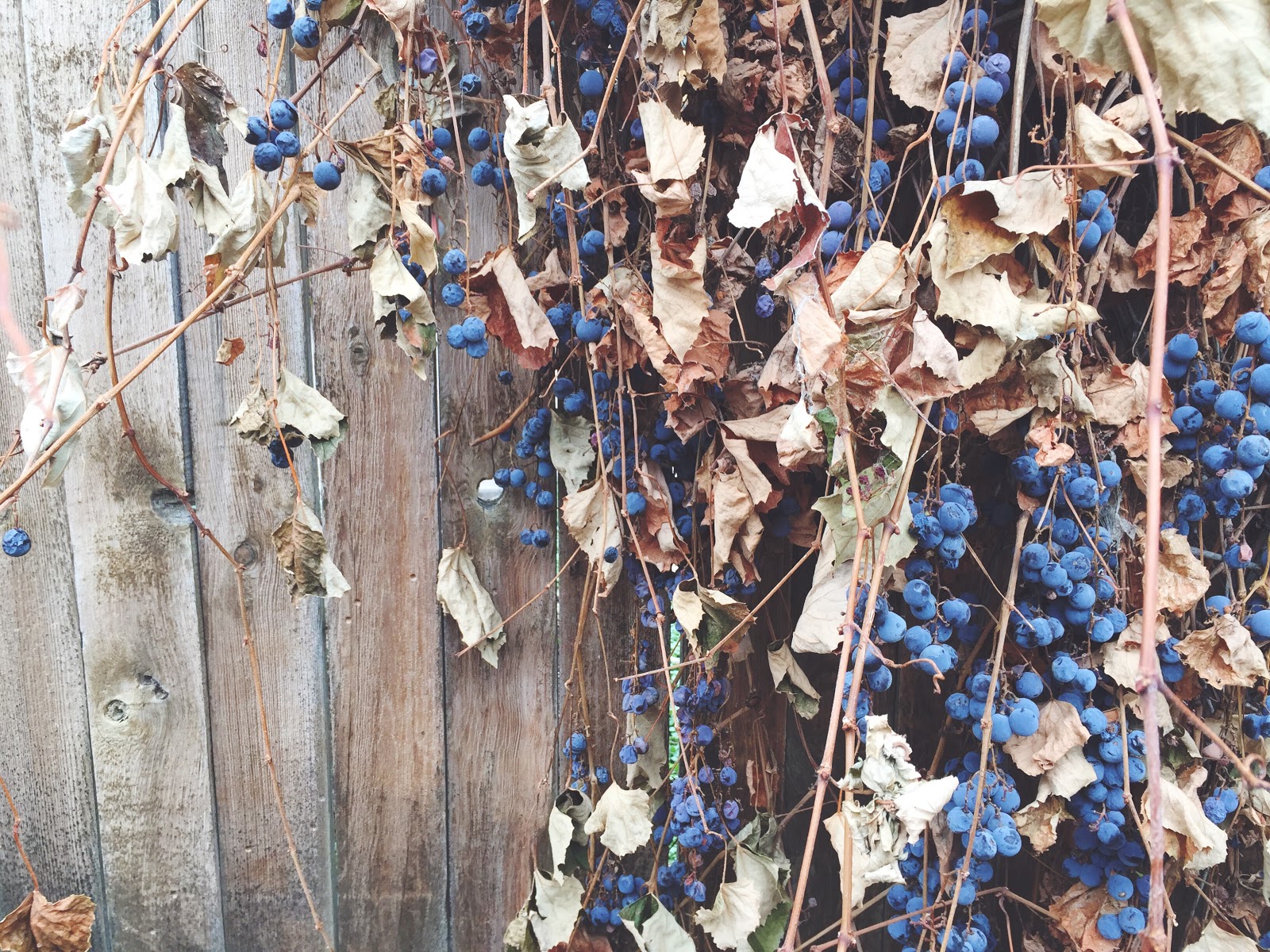
If your lawn is still growing, continue mowing it. You shouldn't need to water it, though. Fall storms and colder temperatures should deter it from needing any care for the most part. In our climate, your sprinklers should already be winterized to prevent freezing. Continue raking leaves to use for compost and to avoid grass damage and disease. Piles of soggy leaves can form molds on your lawn, and suffocate the grass underneath.After the ground freezes, apply mulch to any flower beds to help protect perennials over the winter. If you're using stone or clay plant pots outside, empty them and store them in a shed, or indoors. If you have to leave them outside, to prevent cracking, flip them upside down. When left upright, water gets in and the thaw and freeze cycle cracks the pots. If you have birds that visit your garden, set out bird feeders so they have something to eat during the winter.
GARDEN CARE
Clean up dead plants from the vegetable garden to prevent any pests or disease from overwintering in your garden. This is a great way to remove any overwintering pest eggs! If you have harvests left over, prep and store them. Unhook and store garden hoses for the winter, and close off any outdoor faucets. Also, clean your garden tools and store them for the winter. Your garden should be mostly dormant by now, or getting there, and you may already have snow.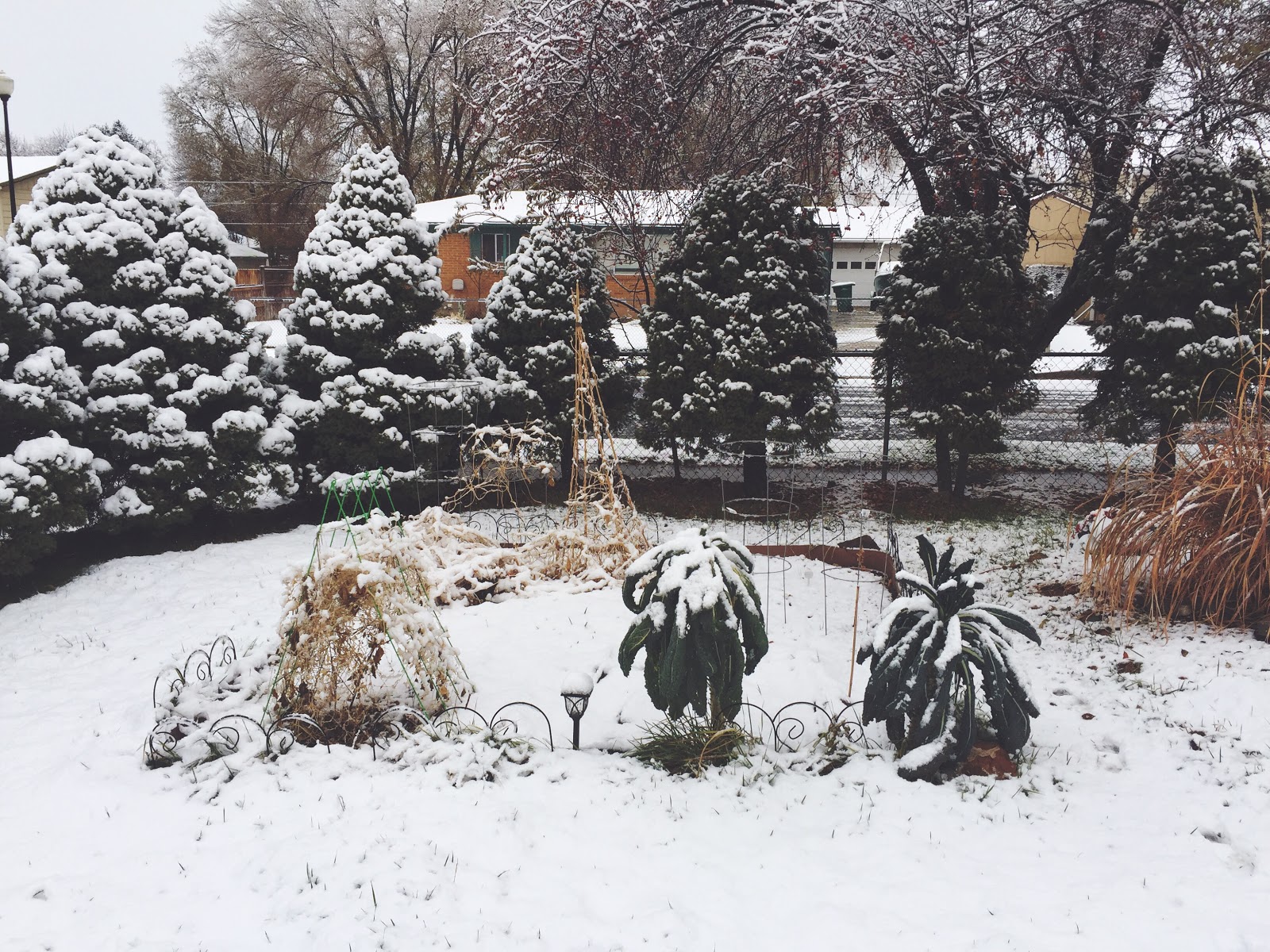
Zone 6 & 7 Garden Tasks for November
Thursday, November 7, 2019
Friday, October 4, 2019
FALL PREP FOR THE GARDEN
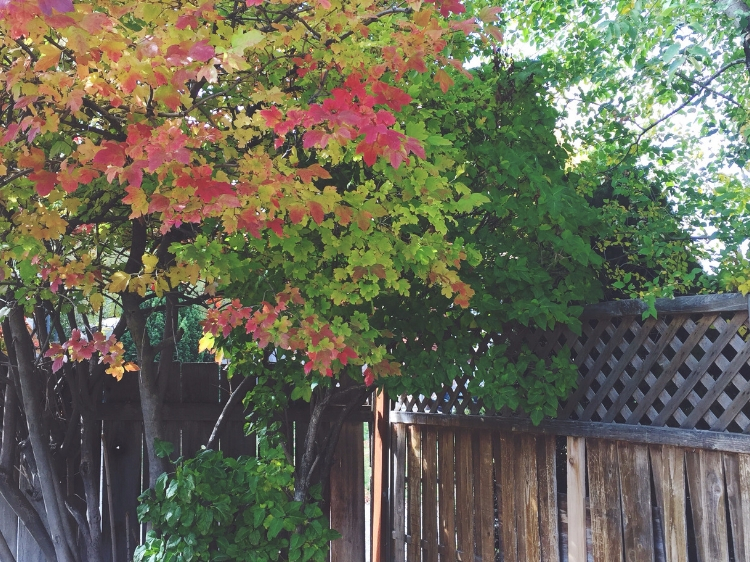
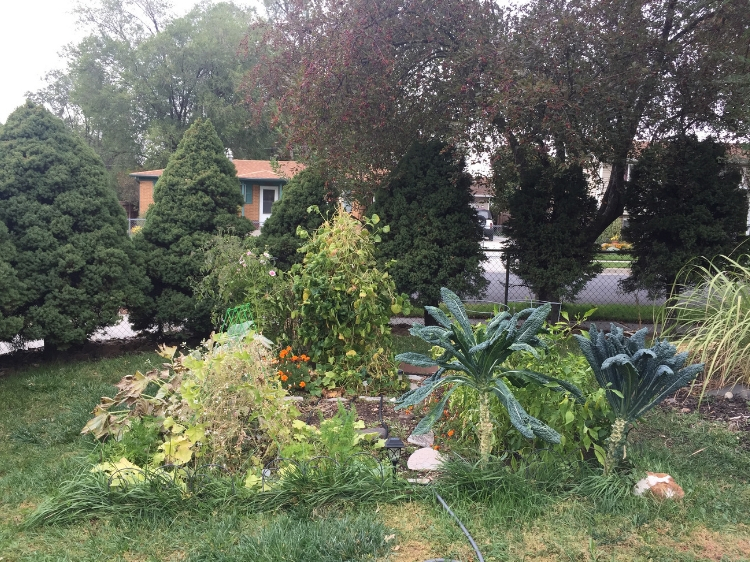
Typically, fall brings wetter weather in my part of the country, but if the weather stays dry, continue watering trees until the ground freezes. Mulch to protect them during the winter. If your grass is still growing, continue mowing it. Clean up the yard for winter by removing weeds, deadheading and cutting perennials to the ground, and getting rid of diseased plants, or plants that had pest issues all year. Insects can actually overwinter, so the cleanup helps get rid of their eggs and avoid giving them places to hide. To avoid lawn damage and disease, rake leaves and either remove from yard or shred them and compost. They can also be used as mulch for winter protection.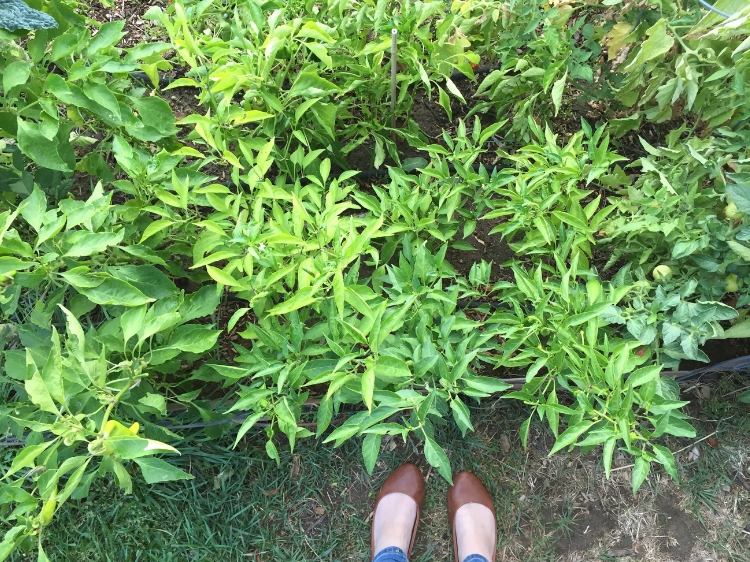

FALL PLANTING
Any spring bulbs you've acquired can be planted now, including garlic. Make sure to follow the planting instructions as some like to be planted fairly deep into the soil.For spring blooms, you can layer bulbs of different flowers in the soil and produce a very lush spring blooming effect! Make sure to plant your deepest bulbs first!
LAST HARVESTS OF SUMMER & FALL HARVESTS
Harvest any vegetables that are sensitive to frost (this is pretty much anything that couldn't be grown in early spring.) If you have green tomatoes, leave them on a windowsill, countertop or put them in a paper bag to ripen. Your veggies planted specifically for fall harvesting may be ready now as well. If any freezes happen protect plants as needed.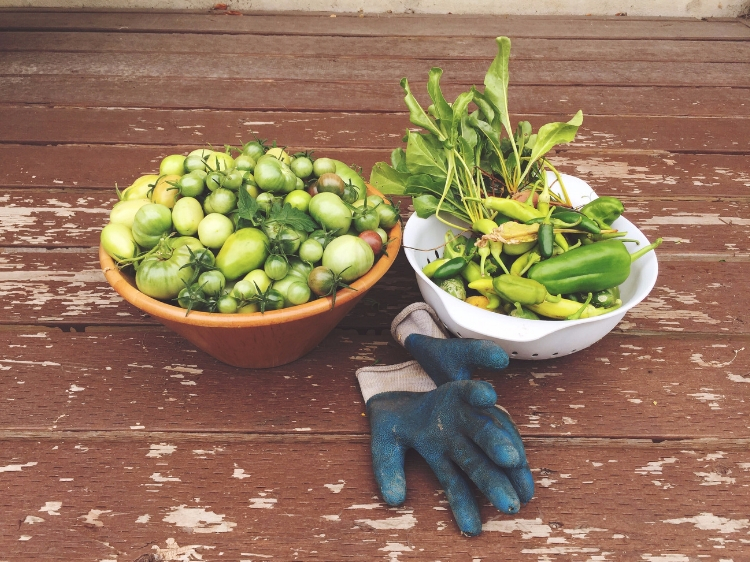

Zone 6 & 7 Garden Tasks for October
Friday, October 4, 2019
Thursday, September 5, 2019

Summer is starting to give way to fall this month, and soon we'll be winding up our gardens for the year. Enjoy these last days of Summer, the weather is perfect!
GARDEN MAINTENANCE
September is a great time to plant any new trees and shrubs. The heat of summer is letting up, and there is still a month or so before the freeze, so they can root well. If you need to plant grass seed, this is a great time as well. Perennial flowers in the garden can be divided and replanted early in the month. Bring in compost and top up your garden soil. Taper down the watering of your grass and veggies as the weather cools down.
BRING IN TENDER PLANTS
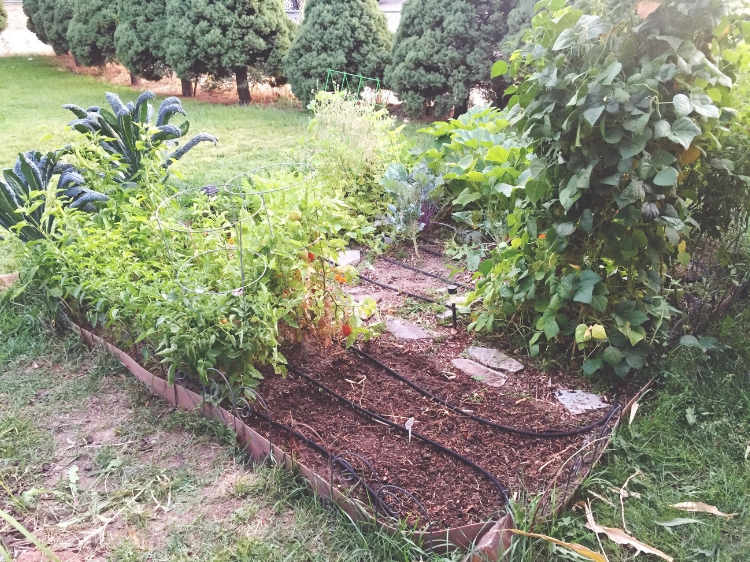
If you had herbs out in the garden this year, you can pot them up and bring them indoors to a sunny window to enjoy all winter. If you had any houseplants outside enjoying the heat, you will want to clean the pots from any spiders and other pests, and then move them back indoors to keep them from freezing and getting damaged if there's an early frost or cold snaps.
HARVEST & PROTECT CROPS
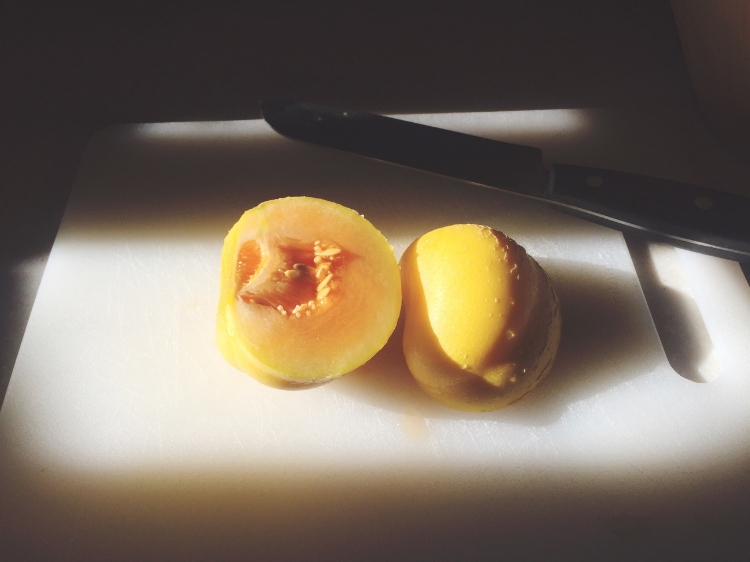
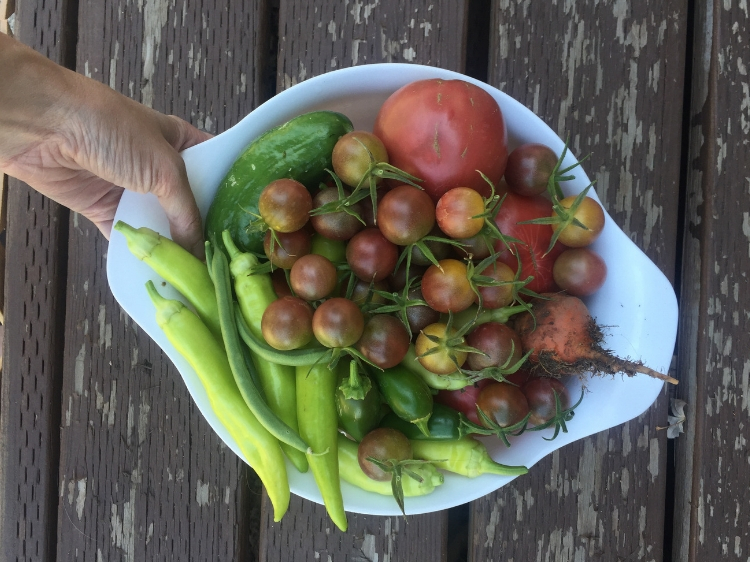
Right now, late summer flowers should be blooming like crazy, and your summer veggies and melons should be finishing their harvests. Winter Squashes should be almost ready, and your beefsteak tomatoes will likely be on the menu every night for dinner. Watch for frost forecasts, it's still a little early but they can happen. Tomatoes that have slowed ripening due to the shortening days and colder nights can be picked green and ripened on a windowsill inside. You can also put them in a paper bag with a ripe banana. Gather and save any flower and vegetable seeds from your summer harvests for next year. Make sure before you package them away, that you let them dry out so they don't rot while in storage, and don't forget to label them!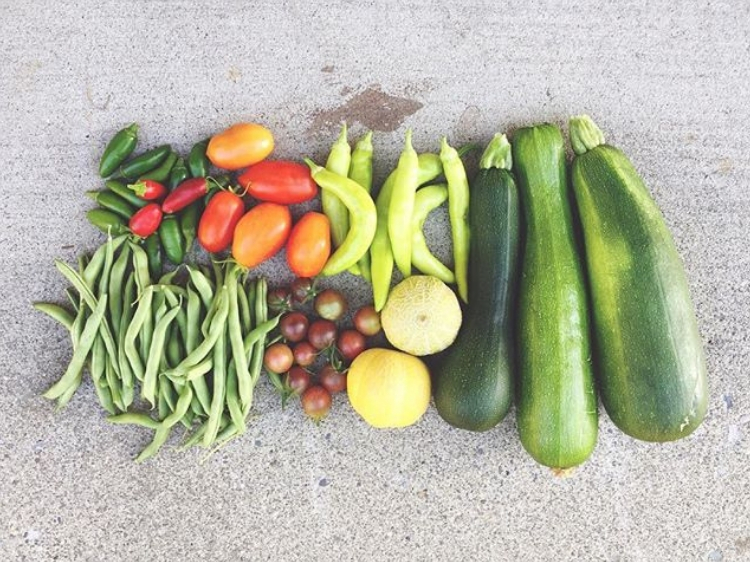
Zone 6 & 7 Garden Tasks for September
Thursday, September 5, 2019
Tuesday, August 6, 2019

Helloooooo, harvest season! It's hot out there, and the veggies are ready for the picking! Let's get into what tasks you can do for your garden this month.
HARVEST REGULARLY
Make sure to check your garden every few days at this time of year. Your summer veggies are ripening almost daily, and regular harvests will keep your plants productive. Tomatoes can be ripened on the counter in your kitchen if picked a little early, but they taste best when vine ripened. Melons are ready to harvest when the stem easily breaks from the fruit. Peppers can be harvested green or the color they're supposed to turn, just clip the stem a little above the fruit. Cucumbers and zucchini are ready to harvest when 6-8 inches long. Avoid letting them get too big or they'll be seedy and less flavorful. Carrots are ready when they're an inch across. Beans are ready when their pods are 4-6 inches long. Onions are ready shortly after their tops fall over. Harvest kale leaves regularly, and somewhat small to avoid them getting tough and bitter.


STORAGE
There are so many ways you can store your harvests if you don't plan to eat them right away. Canning, drying, freezing, etc, are all great options for winter storage. Make sure to spend some time this month taking care of the excess. If you don't have room for it all, you can donate it to local food pantries and food banks. Local city programs can always use fresh produce.

GARDEN MAINTENANCE
Plant mums and other fall bloomers. You should see them popping up in garden centers around now. This is a great time of year to plant evergreens, because they'll have enough time to develop healthy roots before the freeze. If you are growing fall vegetables, keep planting them throughout August, these would be similar to what you grew in spring, including: lettuce, kale, radishes, spinach, and beets. If you're fertilizing your roses, fertilize them for the last time this year. If your lawn is still growing in the hot weather, make sure not to cut it too short, and you can even stop mowing if it seems to stop growing. Keep up on weeding so they don't go to seed and spread. August is generally warm, so make sure plants are staying hydrated. At the end of the month plan any spring bulb planting areas, and order or purchase your bulbs.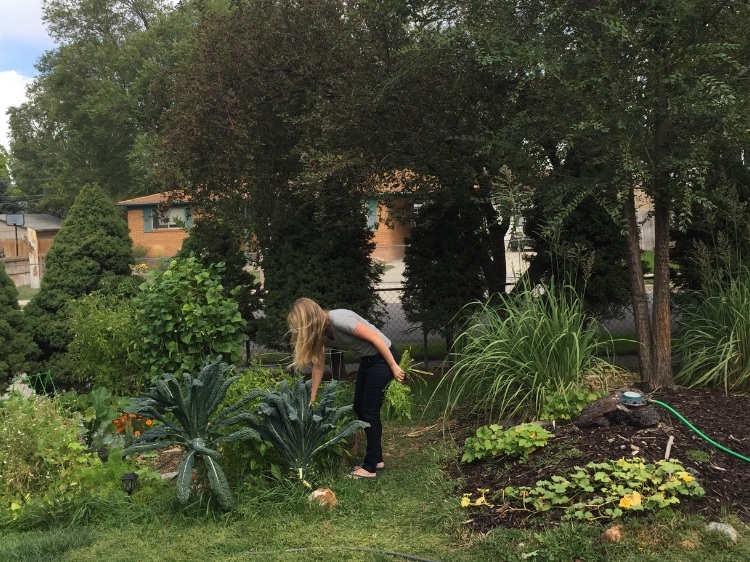
Zone 6 & 7 Garden Tasks for August
Tuesday, August 6, 2019
Friday, July 5, 2019

We are mid-way through summer now, and your garden should be in high gear. Plants will be getting larger by the day, and there is a lot to do!
WATER, WATER & MORE WATER
July is a hot month, so the first thing on the agenda is regular watering of the garden. Gardens need at least one inch of water per week, so if it's not raining much, which is the case where I live throughout the summer, you'll need to make sure you get out there and water. To avoid water loss to evaporation, the best method is to use soaker hoses or a drip system set near the roots of your plants in the early mornings. Ground-level watering keeps the water where it needs to go, and you end up wasting a lot less water. Also, veggie plants are susceptible to disease when watered overhead, if the leaves stay wet for too long. Keep watering consistent and regular, to avoid wilting and inundation. Tomatoes will often split if watering is inconsistent. When they finally do get a lot of water, they will soak it all up, and the fruit will expand and split.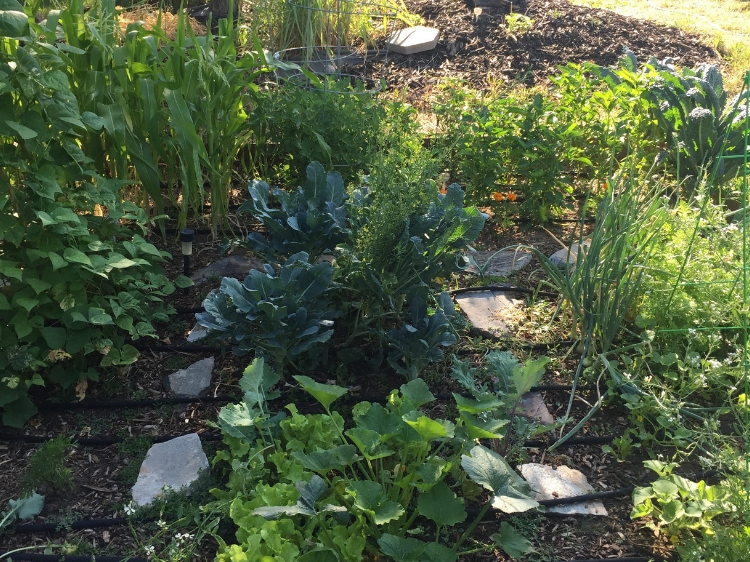
SUMMER HARVESTS
With the first summer harvests coming this month, make sure to regularly harvest your fruits and vegetables to keep the plants producing all season. If fruit is allowed to stay on the plant past ripening, the plant may think it is done with its job, and stop setting fruit. Harvest zucchini/summer squash when it's medium sized, about 8 inches. Pinch back herbs to encourage more growth and keep them from flowering. If your onions are ready, leave them out to dry and cure before storing them for winter.

GARDEN ADDITIONS & MAINTENANCE
Plant annuals and perennials at any time to fill in blank spots in the garden. Deadhead annuals and perennials to encourage new growth and continual blooms. Inspect all plants for insect or disease damage, and treat accordingly. Check for slugs early in the morning and remove them. You can set up beer traps for your slugs and earwigs, and distract them from damaging your plants.
FALL SOWING
Toward the end of the month, start sowing cool weather vegetable seeds for fall gardening. If it's too hot, you can start them indoors and plant them out once the weather cools off a little. Some areas are in 90-100°F weather this month, so you may need to wait a little bit.LAWNCARE
Keep lawn watered throughout the season, but cut back on mowing during the intense heat. You will notice your lawn's growth starting to slow during the hot and dry weather. Cut grass a little longer to allow it to stay strong during the hot weather, and to help it retain more water. Cutting it too short can shock it and leave it susceptible to dying in the heat. It also allows weeds to germinate and take over, so keep it longer! (Plus, it's softer when it's longer.)
STAY COOL
If it's too hot at your house, cool off in the nearby lakes, pools, hills and mountains. Take a quick trip up for a hike in the shade, jump in the cool water, or spend a few days camping in the higher elevations.Zone 6 & 7 Garden Tasks for July
Friday, July 5, 2019
Friday, June 7, 2019
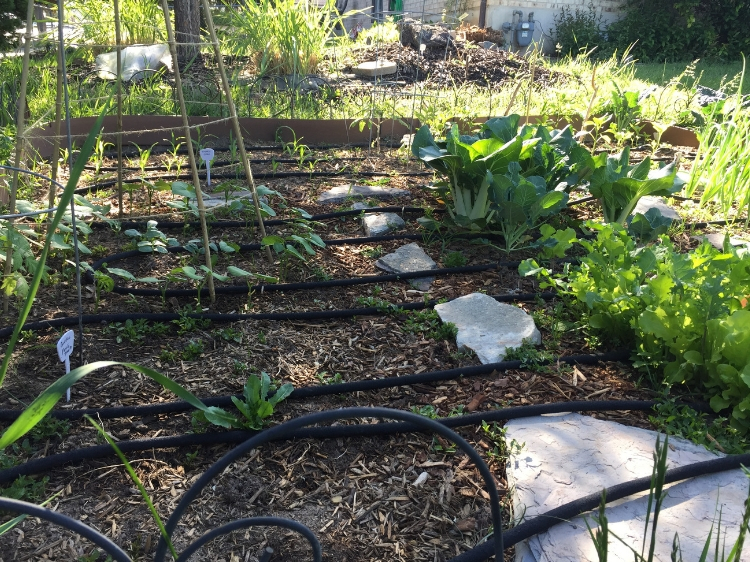
Welcome to Summer! June is the month where sunshine starts to stick around consistently. Plus, the longest day of the year is this month, and who really ever gets sick of those 9pm sunsets? By now, your weather should be comfortably warm, and sometimes even too hot!
SPRING HARVESTS
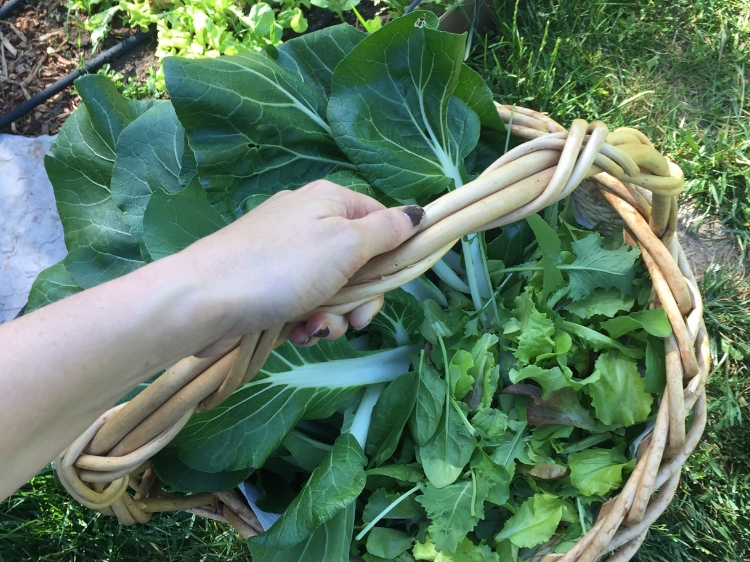
Spring harvests will be coming in heavy now, and you can expect to be enjoying the fruits of your labor the past couple of months. If your greens and radishes have bolted and gone to flower, you can pull them up to give more space for next sowings, or summer veggies. I recommend leaving a few of them flowering all season long. One radish in bloom produces TONS of flowers and bushes out. The bees go nuts for it. I let one go to flower as an experiment last year, and it bloomed until the freezes in late October, and at any one time it had at least 10 bees on it. and many different varieties showed up. They loved the radish flowers and as a result I was able to save lots of seeds for the next season.Berries may be in production mode right now, as well. If you have them in your garden, be sure to check your berry plants often and don't forget to pick them regularly. Ripe berries can go bad very quickly if left for too long on the plant. Some fruiting berries that are great right now are early raspberries and strawberries.


SUMMER PLANTING
All summer veggies should be planted early this month, if they weren't already planted in late May. Plant more carrots, beets, and beans a few weeks apart to stagger your harvests throughout the summer season.

GARDEN MAINTENANCE
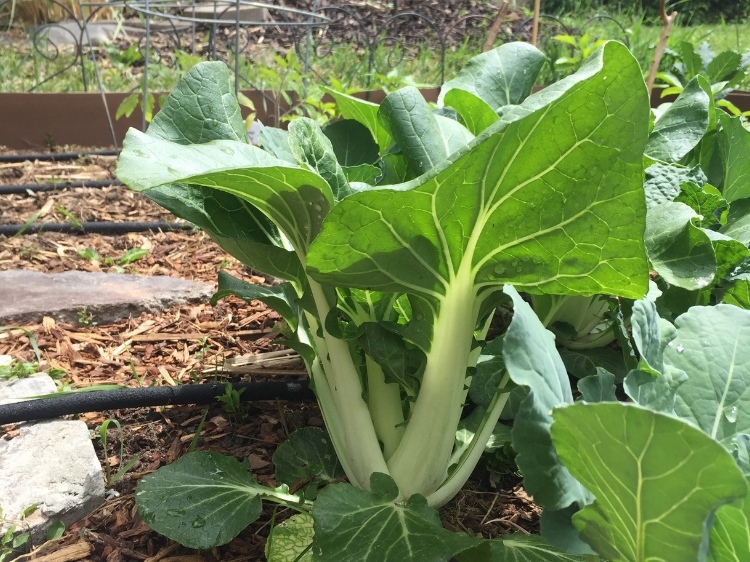
With everything finally in the ground, focus on keeping weeds under control, keeping your veggies watered well, and fertilizing as needed to give your crops a boost. Water veggies in the early morning to allow the water to soak in before the heat of day comes in and evaporates it. You can also water in the evening to let it soak in over night, but a lot of plants can become diseased if they sit wet for too long. The same method of watering is great for lawns as well. Mow your lawn regularly, and keep it a little longer to avoid shocking it in the heat. Deadhead any flowering plants to keep them in bloom longer. If you have irises, you can divide them now and replant them, since they should be done blooming.HAVE FUN
Since the weather is great and your garden is finally all planted, have a backyard barbecue, or a picnic, and enjoy the great weather and beautiful garden you've created! Or, grab a book and a blanket or lawn chair, and head outside for a relaxing time.Zone 6 & 7 Garden Tasks for June
Friday, June 7, 2019
Monday, May 6, 2019
MAY IS HERE, YOU GUYS!!! Why am I yelling? It's because this is the month of no more frosts, and that makes it the best month of the year! Our last frost date is typically early in the month so once Mother's Day rolls around, we are good to go!
SUMMER PLANTING
This month most of what you'll be focusing on is getting your summer gardens planted. Plant cucumber, cantaloupe, beans, corn, squash, cucumber, melon transplants or seeds. Continue sowing more cool season vegetable seeds outside, like radishes, to keep your harvests coming into summertime.Early in the month, finish hardening-off tomatoes, peppers and eggplants, and plant them outside after Mother's Day. Apply fertilizer to jumpstart the vegetable garden and water well. Keep your eye on weather forecasts in case there is a surprise cold snap. Use frost blankets to protect tender plants if this happens. Start planting summer annuals like zinnias and whatever you like from the garden centers. Mulch to prevent weeds. Pot up flowers or foliage plants for porches, and patios, and decorate your home with them.

HARVESTS
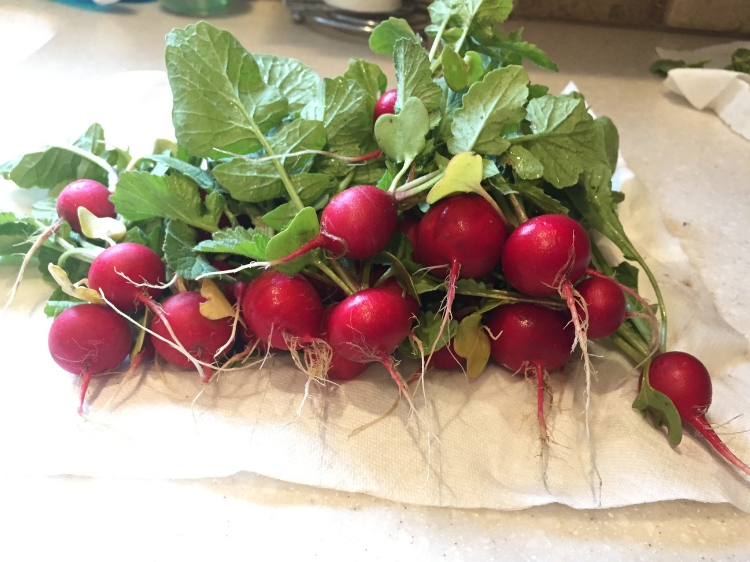
Most of your cool-weather veggies will be ready to harvest if they weren't in April. Harvest the outer leaves of lettuces regularly to keep them productive, and to prevent them from bolting early. Harvest radishes when they're about an inch wide or slightly larger. Pick peas frequently to encourage production. You should be eating lots of salads, peas, radishes, and whatever else you planted.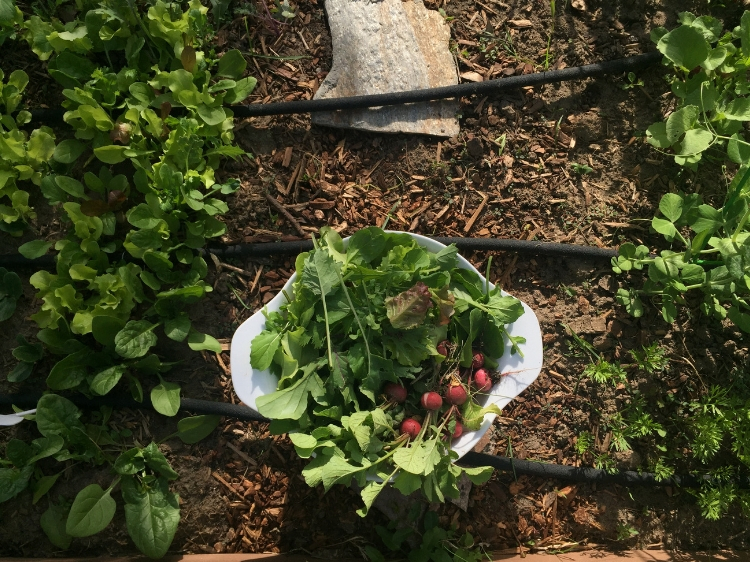
LAWN CARE
Start mowing the lawn this month, and water when it's dry. Consider aerating, and looking into weed control. If you're comfortable with it, you can harvest all those pesky dandelions since they pack a lot of beneficial nutrients for humans.
Zone 6 & 7 Garden Tasks for May
Monday, May 6, 2019
Thursday, April 4, 2019

April is finally here, and so is much warmer weather. Spring is well under way at this point and things should be greening up around your garden and yard. We're still at risk for frost, freezes and even the occasional snow storm, but overall, it's obvious things are warming up. If you're wondering what to focus on this month in the garden, read on below!
SPRING BLOOMS
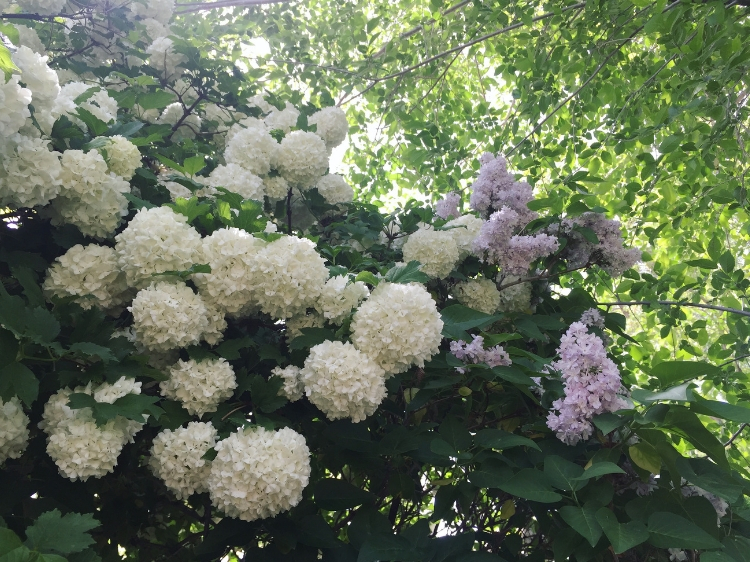
This is the month spring blooms such as daffodils, tulips, hyacinth, and other spring bulbs start popping up everywhere. If you have flowering trees, they'll be in full bloom mid-month, and, depending on the year, you may also have lilacs and snowball trees in bloom near the end of the month. It's a beautiful sight after the stark landscape of winter. Mother Nature puts on quite a show.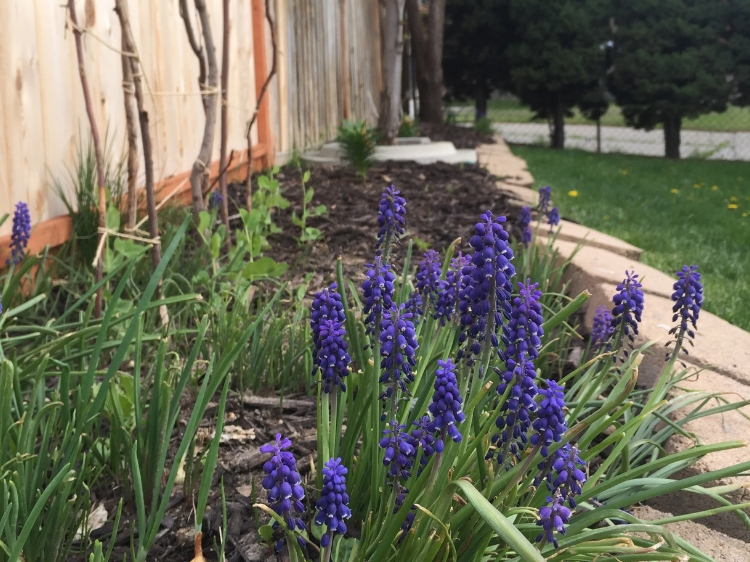
OUTDOOR & INDOOR PLANTING
By now, you should be ready to grow cool weather crops, and may have planted them in March if the weather allowed. You will want to add compost to your garden to give it a boost of nutrients, and then continue outdoor sowing of your cool-season crops including beets, peas, broccoli, cauliflower, brussel sprouts, spinach, lettuces, cabbage, carrots, radishes, etc. Thin the seedlings after they've emerged. If you have issues with small rodents, cats or birds getting into your garden while it's still young, add bird netting to protect it. Any cool weather seedlings that you started indoors can be planted out this month after hardening them off.Start tomato seeds indoors early in the month, so they will be ready for our mid to late May outdoor planting date. Once they're big enough, on warmer days (above 50°F), start setting out tomato, pepper and eggplant seedlings to begin hardening them off.
Now's a great time to plant wildflower seeds, depending on the variety. Check your seed packet, you may be able to sprinkle them outside and have blooms by summer!


FIRST HARVESTS
Depending on when/what you planted, and how your weather has been, you may begin getting early harvests by the end of the month. Make something delicious with your fresh spring harvests!GARDEN MAINTENANCE
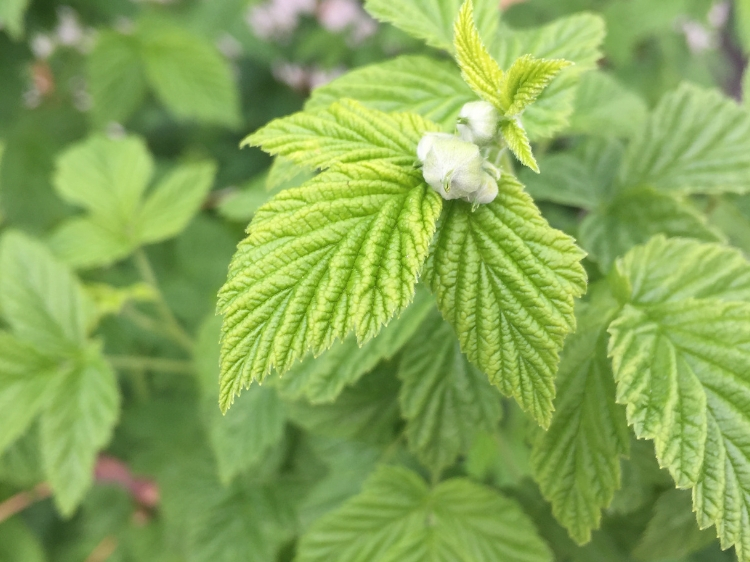
Continue cleaning up your garden by raking up old leaves, removing dead parts of perennials from last year, and/or pruning anything you didn't deadhead last fall. If you have perennials that have gotten too crowded, you can divide them and re-plant.Berry bushes should be leafing out by now, and you may even see the first buds forming for their blossoms.
SOAK UP THE SPRING SUN
If the weather allows, I also recommend taking some time to soak up the warm sun on sunny days (with sunscreen!). Go for a hike, read a book outside, work in the yard, visit a public garden. These are the first legitimately warm days we'll have this year, and the energy from it will give you a boost from the long cold dreary winter days we've endured for months.Zone 6 & 7 Garden Tasks for April
Thursday, April 4, 2019
Tuesday, March 19, 2019
You guys, I have been so busy planning and working to get my new garden additions set up that I've been super slow at posting anything here for a while. These raised beds are going to look so good and help provide better soil for my garden! Our yard has super sandy soil, so bringing in good soil for these beds will definitely help me get better harvests. I had tomatoes ripening yellow last year because there wasn't much in the soil for them to eat.
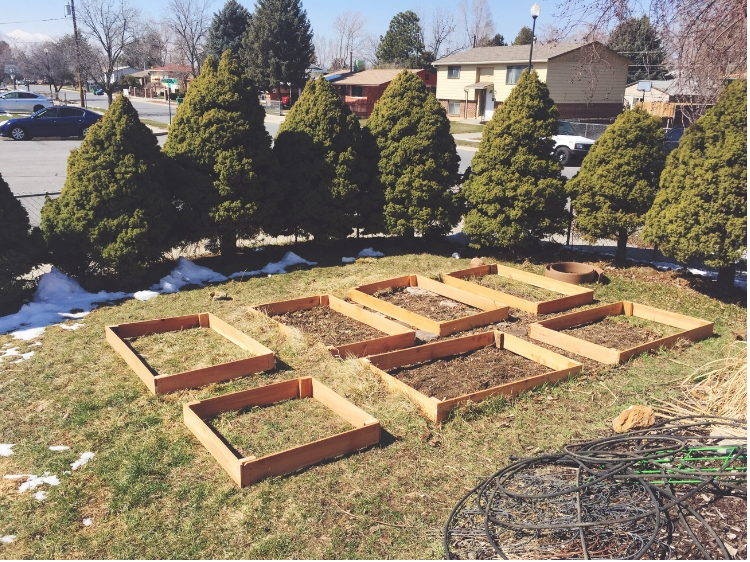

For now, I'm digging out the rest of the grass in the area, laying down weed cloth, and going to be hauling a lot of soil and wood chips in. It's intense manual labor, and I'm so sore, but I can't wait to get it done! I'll be sure to post many updates as it comes together this year.
Oh, also, spring starts this week. Are you guys as excited as I am? I am SO DONE with winter this year. We had a very snowy and cold winter this year, and I'm so ready for sunshine and warm days.
For now, I'm digging out the rest of the grass in the area, laying down weed cloth, and going to be hauling a lot of soil and wood chips in. It's intense manual labor, and I'm so sore, but I can't wait to get it done! I'll be sure to post many updates as it comes together this year.
Oh, also, spring starts this week. Are you guys as excited as I am? I am SO DONE with winter this year. We had a very snowy and cold winter this year, and I'm so ready for sunshine and warm days.
++ What are you looking forward to?
New Garden Additions - Raised Beds!
Tuesday, March 19, 2019
Tuesday, March 5, 2019

March is an exciting month, because planting season is here! Gardeners can finally start digging in the dirt!
INDOOR SEEDS
Early in the month start seeds indoors for cool weather veggies including: beets, broccoli, cauliflower, brussel sprouts, and cabbages, as well as any flowers that need to be started early. At the end of the month, start peppers, and eggplant indoors. Make sure to check your plants frequently as smaller seedlings can dry out quickly if using a heat mat and grow light. Keep seedlings from drying out by pouring a little water into the seed starting tray regularly.
OUTDOOR PLANTING
Plant peas outside even if it's snowy and cold. They can handle it! They will come up when they are ready, and can handle the cold. Any bare root plants you purchased can be planted out now, as well as any shrubs or perennial plants available at garden stores. Gardens can be worked as long as soil isn't frozen or extremely soggy, and if the conditions allow, you can plant radishes, beets, broccoli, cauliflower, brussel sprouts, spinach, lettuces, cabbages, and carrots outdoors, or that can be done in April. Onion starts can be planted late in the month as well. Primroses can be planted into the garden as soon as you find them in stores. They can tolerate the cold weather, and look great in pots as well! Water the garden regularly if weather is dry.
CARE FOR OUTDOOR PLANTS
Remove mulch from strawberry plants, and begin cleaning up all perennial plants in the garden. Deadhead and remove withered or dead stems and parts to ensure the plants can focus on new growth. Don't forget to spend time enjoying the warm weather when it comes. March can still be fairly cold, so enjoy those sunny days when they appear!Zone 6 & 7 Garden Tasks for March
Tuesday, March 5, 2019
Subscribe to:
Posts (Atom)



Social Icons